
Mastering Drywall Finishing Tips for a Flawless Home Interior
Drywall finishing is a critical step in creating smooth, professional-looking walls and ceilings. Whether you are repairing damage or installing new drywall, mastering the finishing process ensures your home looks polished and inviting. I will guide you through essential drywall finishing tips, practical techniques, and the different types of finishes you can achieve. This knowledge will help you elevate your home’s interior with confidence and precision.
Essential Drywall Finishing Tips for a Smooth Surface
Achieving a flawless drywall finish requires attention to detail and the right approach. Here are some key drywall finishing tips that I rely on to get the best results:
Prepare the surface thoroughly: Before applying any joint compound, make sure the drywall sheets are securely fastened and seams are clean. Remove dust and debris to ensure proper adhesion.
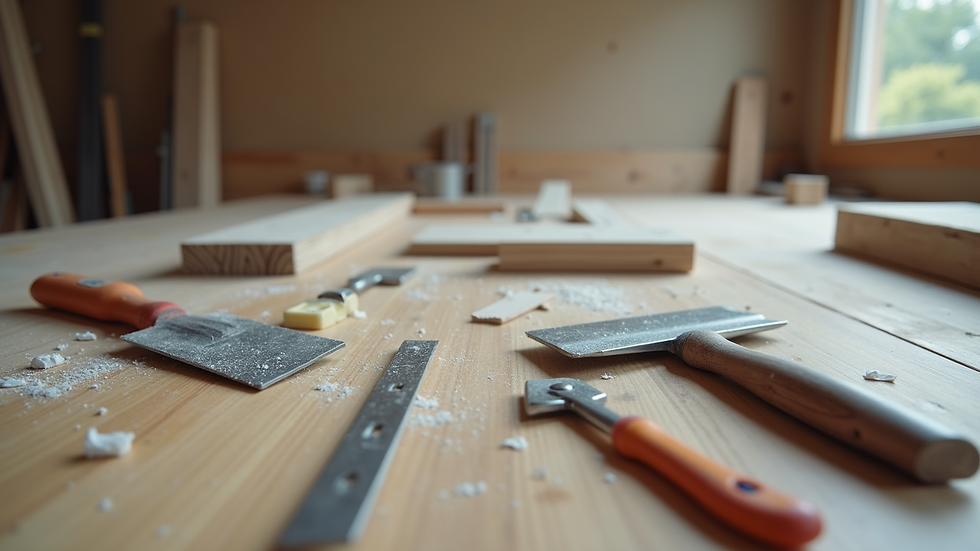
Use the right tools: A good quality taping knife, mud pan, sanding block, and corner trowel make a significant difference. I recommend starting with a 6-inch knife for the first coat and moving to wider knives (10-12 inches) for subsequent coats.
Apply multiple thin coats: Instead of one thick layer, apply three thin coats of joint compound. This reduces cracking and makes sanding easier.
Feather the edges: Extend the compound beyond the seams and screw holes, feathering the edges to blend with the drywall surface.
Sand carefully: Use a fine-grit sanding block and sand lightly between coats. Avoid over-sanding, which can damage the drywall paper.
Keep your workspace clean: Dust can settle on wet compound and cause imperfections. Clean as you go to maintain a smooth finish.
These tips form the foundation of a professional drywall finish. Patience and precision are key to avoiding common pitfalls like visible seams, bubbles, or uneven surfaces.

What are the finishes of drywall?
Understanding the different drywall finishes helps you choose the right level of smoothness and texture for your project. Drywall finishes are graded from Level 0 to Level 5, each suited for specific applications:
Level 0: No finishing. Used in temporary construction or areas not visible.
Level 1: Joint tape is embedded in joint compound but not finished. Suitable for areas hidden from view.
Level 2: A second coat of joint compound is applied over tape. Used in garages or attics.
Level 3: Additional coats are applied and sanded. Appropriate for areas to be covered by heavy texture or wall coverings.
Level 4: Final coat is applied and sanded smooth. Ideal for flat paints and light textures.
Level 5: The highest quality finish with a thin skim coat over the entire surface. Recommended for glossy paints or critical lighting conditions.
For most home interiors, Level 4 or Level 5 finishes provide the best appearance. Level 5 is especially important in rooms with bright lighting that can highlight imperfections.
Step-by-step Drywall Finishing Process
To master drywall finishing, follow this step-by-step process that I use for consistent results:
Tape the joints: Apply drywall tape over all seams. Paper tape is stronger but requires a thin layer of mud underneath. Fiberglass mesh tape is self-adhesive and easier for beginners.
First coat of joint compound: Cover the tape with a thin layer of mud using a 6-inch knife. Press firmly to remove air bubbles.
Dry and sand: Allow the first coat to dry completely (usually 24 hours). Sand lightly to remove high spots.
Second coat: Use a wider knife (10 inches) to apply a second, wider coat. Feather the edges well.
Dry and sand again: Repeat drying and sanding. Use a sanding block to maintain flatness.
Third coat: Apply a final coat with a 12-inch knife, extending beyond previous coats to blend seamlessly.
Final sanding: Sand the entire surface lightly with fine-grit sandpaper. Use a damp sponge to remove dust.
Inspect and touch up: Check for any imperfections and apply touch-up mud if needed.
This process ensures a smooth, durable finish ready for priming and painting.
Common Drywall Finishing Mistakes to Avoid
Even experienced DIYers can make mistakes that affect the quality of drywall finishing. Here are some common errors and how to avoid them:
Skipping sanding between coats: Sanding smooths out ridges and bumps. Skipping this step leads to visible seams.
Applying too much joint compound at once: Thick layers take longer to dry and are prone to cracking.
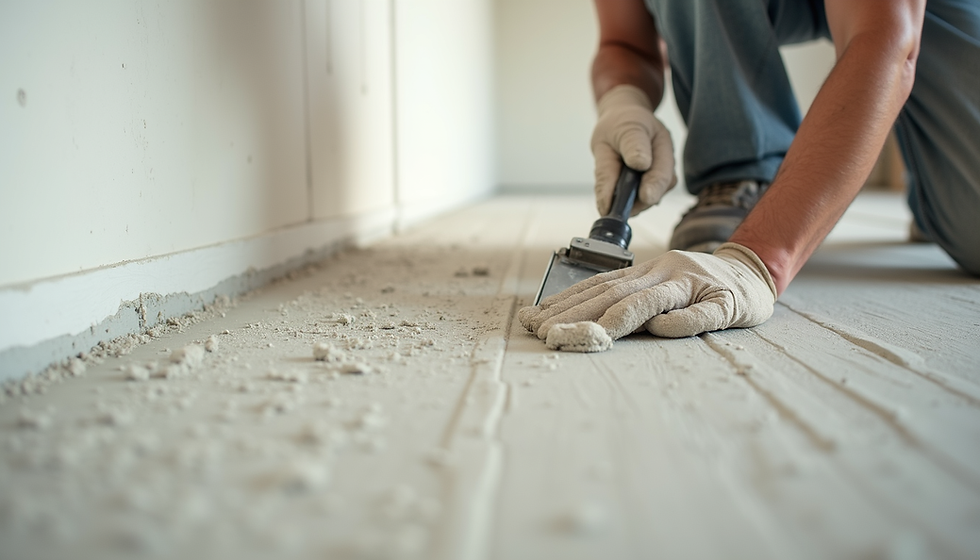
Not cleaning dust before applying mud: Dust prevents proper adhesion and causes bubbles.
Using the wrong tape: Paper tape is best for corners and seams, while mesh tape is better for repairs.
Ignoring corner finishing: Corners need special attention with corner trowels or metal corner beads for durability.
Rushing the drying time: Patience is essential. Applying the next coat too soon can ruin the finish.
By avoiding these mistakes, you can save time and achieve a professional look.
Preparing for Painting After Drywall Finishing
Once your drywall finishing is complete, proper preparation for painting is crucial. Here’s what I recommend:
Prime the surface: Use a high-quality drywall primer to seal the surface and improve paint adhesion.
Inspect under good lighting: Use a bright light at an angle to spot any remaining imperfections.
Lightly sand after priming: This step smooths out any raised fibers or dust nibs.
Choose the right paint finish: Flat or matte finishes hide minor flaws better, while semi-gloss or gloss finishes require a Level 5 finish.
Apply paint in thin coats: Multiple thin coats provide better coverage and durability.
Following these steps ensures your walls look flawless and last longer.
Mastering drywall finishing is a skill that transforms your home’s interior. With the right techniques, tools, and patience, you can achieve smooth, professional results that enhance your living space. If you want to learn more about drywall finishing, feel free to explore additional resources or consult with local experts who understand the unique needs of homes in the Greater Victoria area. Your walls deserve the best care, and with these tips, you are well on your way to delivering it.

Comments